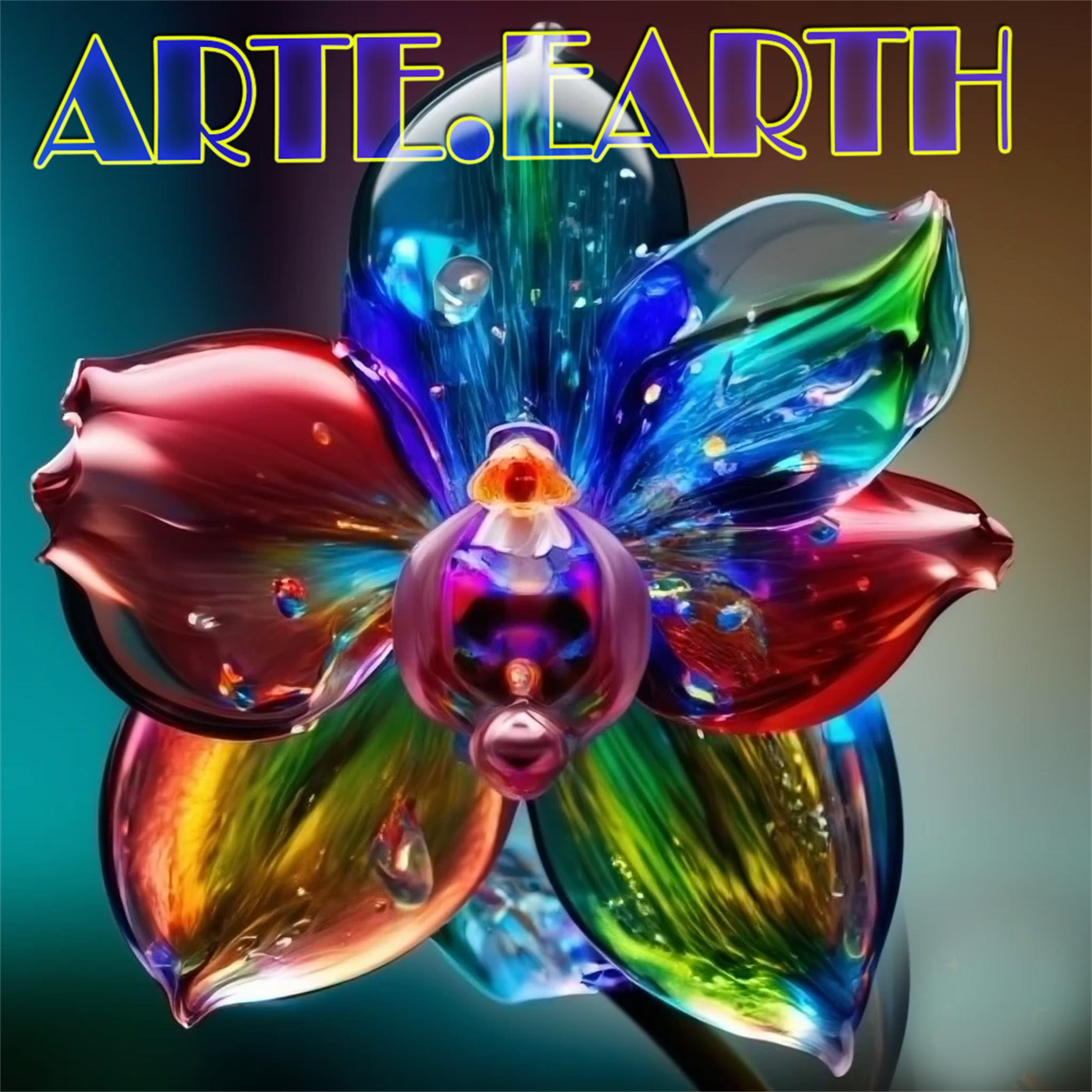
Rare Orchids in The World
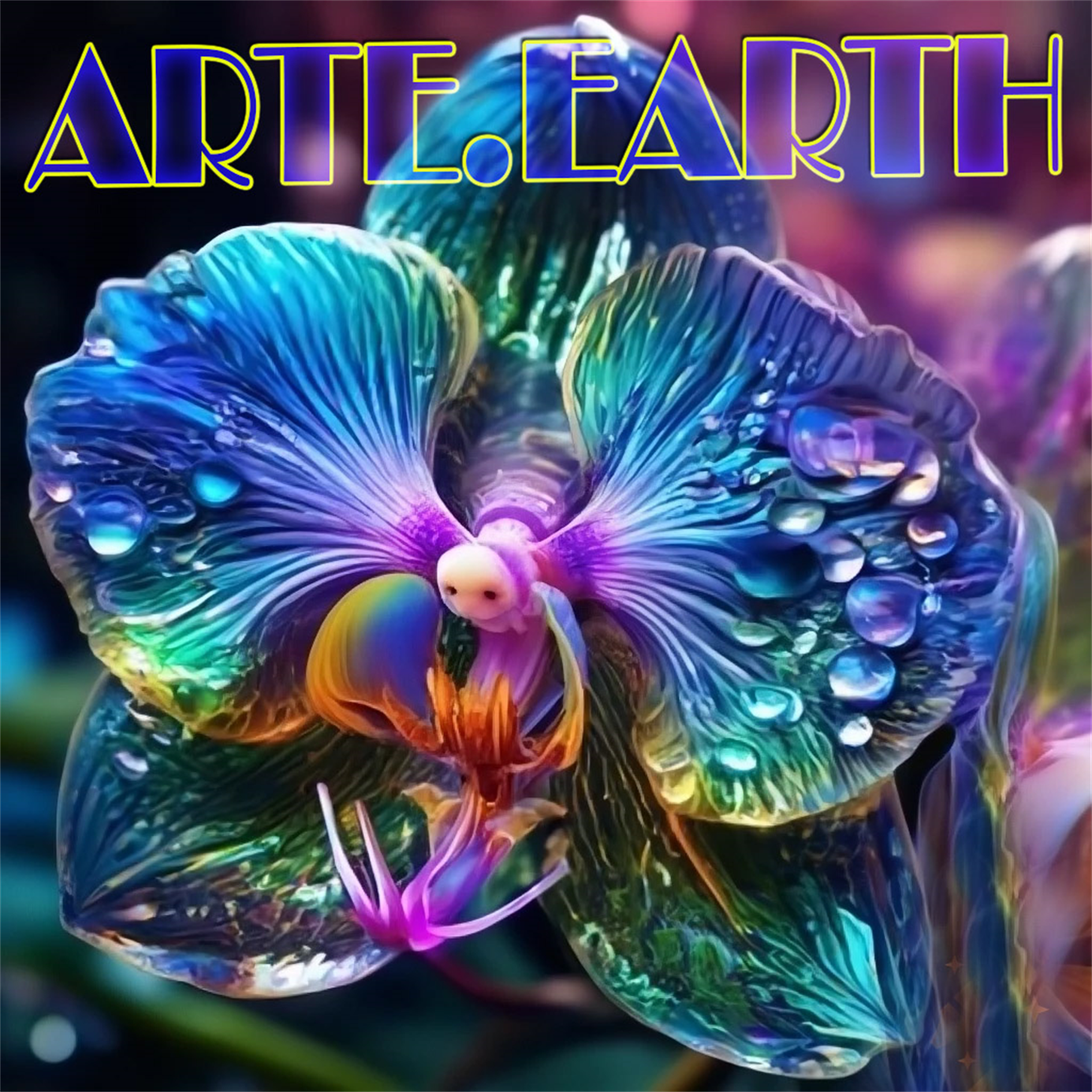
Colorful Species of Rare Orchids in The World
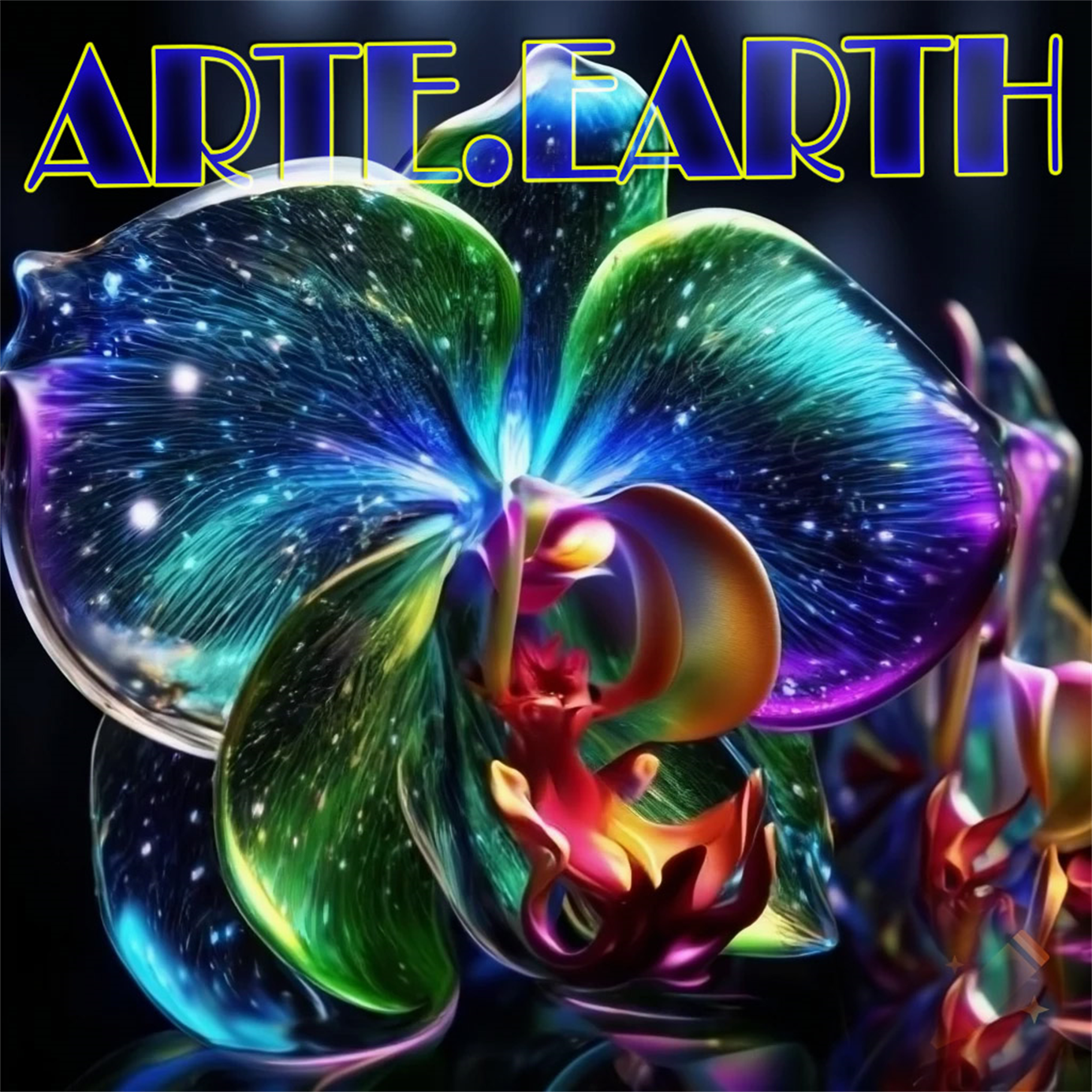
Planet Earth Orchids in Extinction
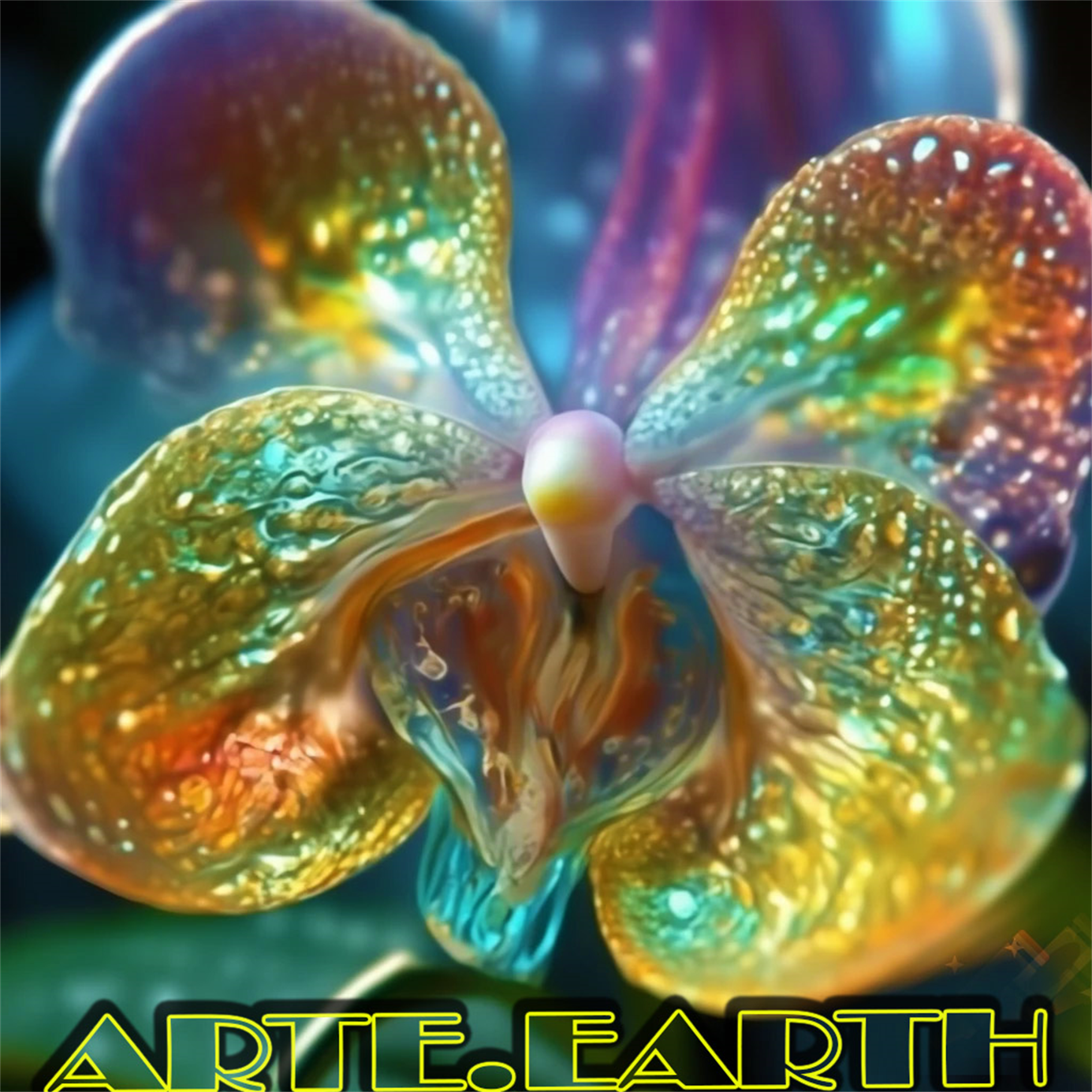
Incredibly Rare Orchids in The World
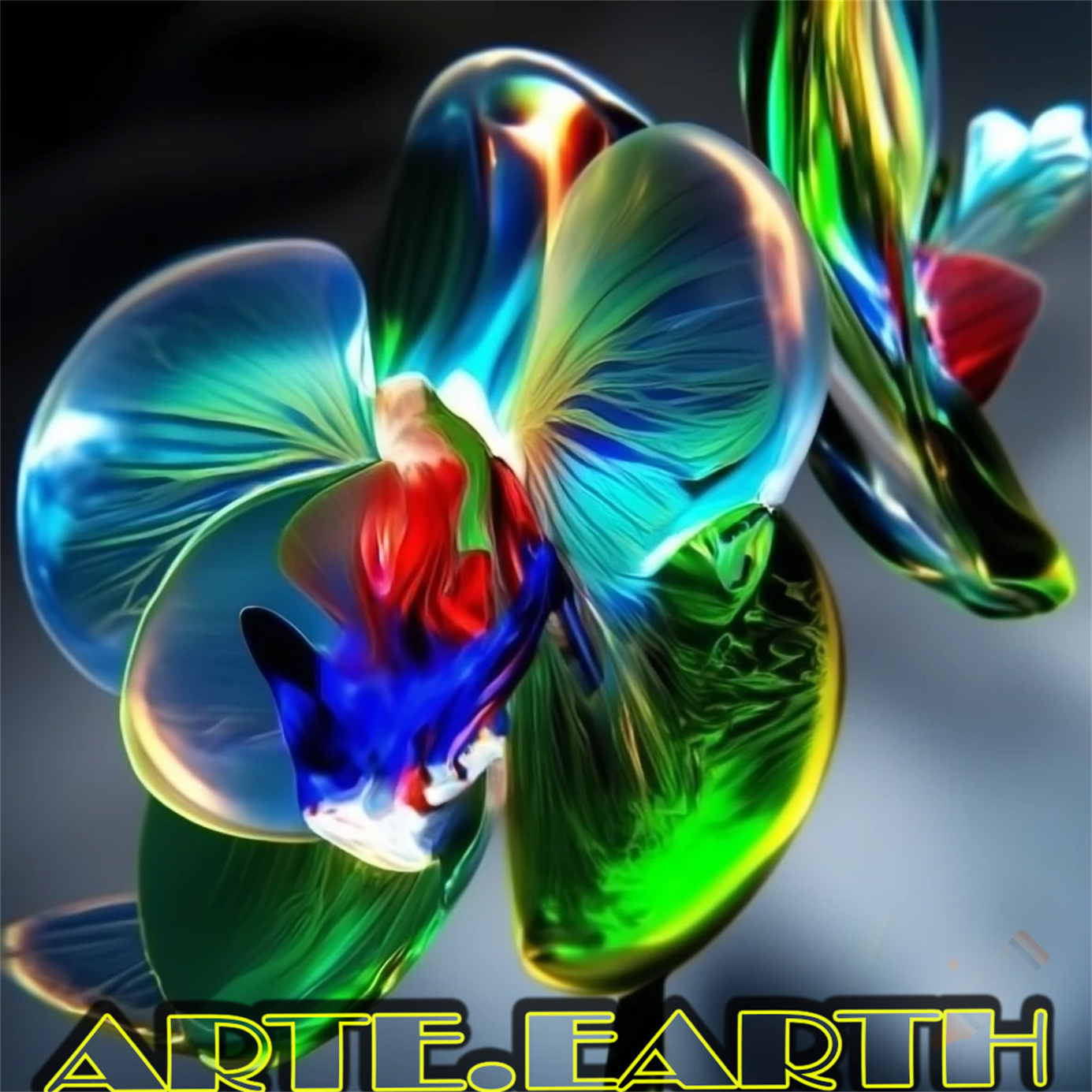
Rare Orchids in The World Art Exhibition
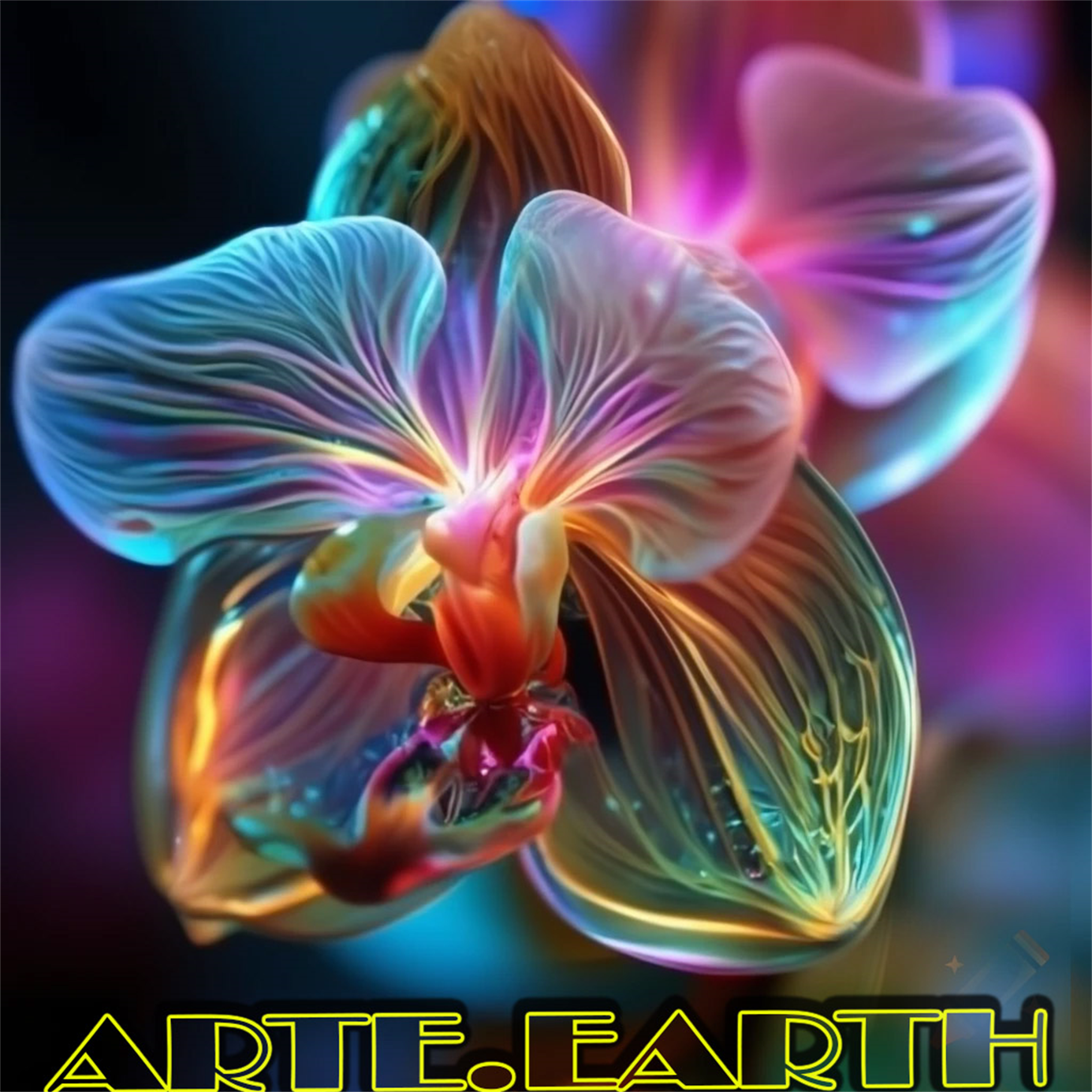
Rare Orchids in The World Collection
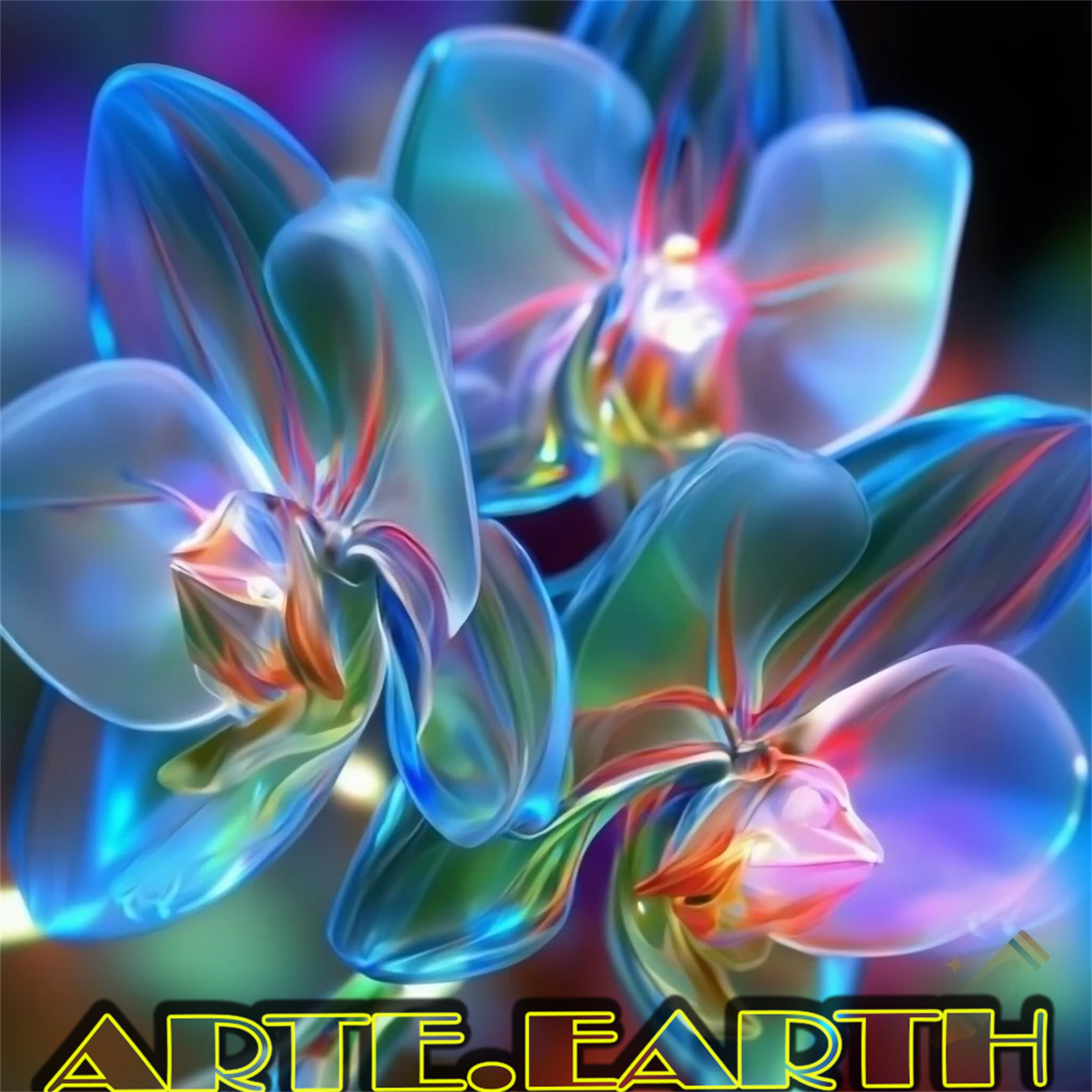
Translucent Rare Orchids in The World
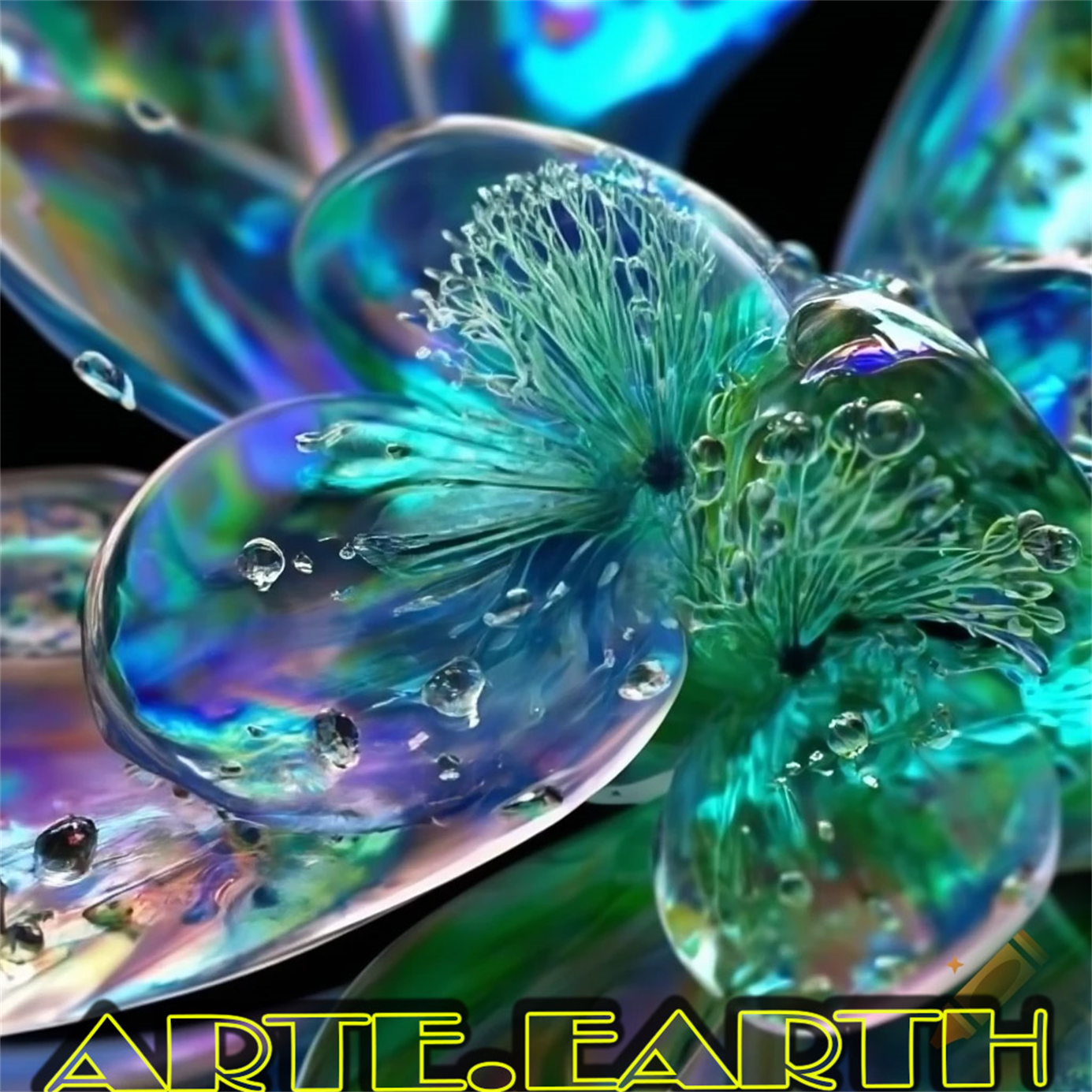
Transparent Organic Orchids in The World
ARTE EARTH
Arte Earth Art Exhibit: "Endangered Species On Planet Earth" in Pictures Exhibition.
Multidimensional Art Exhibition Created By Artist DAPACU, Arte.Art And Austin.Art.
Click Art Pictures To Advance On The Art Exhibition Presented By Arte Earth & Arte.Art
Rare Orchids in The World By DAPACU Artist
"ENDANGERED Rare Orchids in The World
Art Exhibition By DAPACU Multidimensional Artist
Sponsors: Austin.Art * MuseuminAustin.Com * Arte.Art
Ephemeral Rainbows: Rare, Colorful Orchids and the Art of Their Preservation
The world teems with a kaleidoscope of life, a vibrant tapestry woven with threads of every conceivable hue. Among nature's most exquisite creations, orchids stand apart, their delicate forms and astonishing diversity captivating imaginations for centuries. Yet, within this breathtaking family, a select few species possess a rarity and a luminosity that place them in a category of their own. These are the rare, colorful orchids, fleeting jewels of Planet Earth, whose survival is increasingly intertwined with the realm of art and advocacy.
The sheer diversity of orchids is staggering, with an estimated 25,000 to 30,000 species existing in the wild, spread across nearly every continent. However, when we speak of "rare" and "colorful," we are often referring to orchids that possess not only unique pigmentation but also a limited geographical distribution, making them particularly vulnerable. These botanical masterpieces are not merely plants; they are living sculptures, each petal a brushstroke of nature's artistry, each bloom a testament to the intricate processes of evolution and adaptation.
Consider the Ghost Orchid ( Dendrophylax lindenii ), a phantom of the Florida swamplands and Cuban forests. Though often described as white, its ethereal glow in the moonlight, coupled with its leafless, vine-like stem, lends it an almost spectral beauty. Its rarity is legendary, its cultivation notoriously difficult, and its existence precarious, making each sighting a cause for celebration and concern. Or the Rothschild's Slipper Orchid (Paphiopedilum rothschildianum), a true prize for any orchid enthusiast, found only in a few remote locations in Borneo. Its mesmerizing patterns of green, brown, and cream, accented by whispers of magenta, speak of a long and isolated evolutionary journey. It is a species so sought after that it has been pushed to the brink of extinction by illegal poaching.
These, and countless other rare, colorful orchids, are not just biological wonders; they are also potent symbols of the planet's precious and fragile biodiversity. "The loss of a single species is like losing a unique color from the artist's palette," observes Dr. Anya Sharma, a leading botanist specializing in orchid conservation. "Each one holds a distinct genetic code, a story of adaptation millions of years in the making. When they vanish, that story is silenced forever." This sentiment resonates deeply with artists and art institutions dedicated to raising awareness about endangered species.
The intersection of art and nature, particularly concerning endangered flora, is becoming an increasingly vital platform for conservation. Organizations like Arte.Earh are at the forefront of this movement, recognizing that the visual power of art can often communicate the urgency of ecological issues more effectively than scientific data alone. Their initiatives aim to capture the ephemeral beauty of these rare orchids through art pictures, creating evocative imagery that can ignite public interest and inspire action. These art pictures are not just aesthetically pleasing; they are visual pleas, documenting the magnificence of these plants before they disappear from the natural world.
This movement finds a powerful expression in art exhibitions. The upcoming exhibitions curated by DAPACU, a multidimensional artist, promise to be a significant contribution to this cause. DAPACU's work often explores the intricate relationship between humanity and the natural world, and their focus on rare, colorful orchids is a natural extension of this vision. By translating the delicate textures, vibrant hues, and unique forms of these endangered blooms into artistic mediums, DAPACU aims to create an immersive experience for viewers, one that fosters empathy and a deeper appreciation for the natural heritage we stand to lose.
These art exhibitions are more than just displays of beautiful art pictures; they are educational journeys. Visitors to these events are not only treated to stunning visual representations of nature's artistry but are also educated about the threats these orchids face. Discussions about habitat loss, climate change, and illegal collection are woven into the fabric of the exhibition, transforming passive viewing into active engagement. The goal is to move beyond mere admiration and towards a sense of responsibility.
The venues hosting such exhibitions are crucial in amplifying the message. Museums and art galleries, including those featured on www.MuseuminAustin.Com and MetArtMuseum.Com, provide the perfect backdrop for these powerful narratives. The hushed reverence of a museum setting allows for contemplation, for a deep dive into the beauty and fragility of the subjects presented. The sterile white walls of a gallery can, in fact, serve to highlight the explosion of color and life within the art pictures, making the orchids' vibrancy all the more striking. Austin's thriving art scene, as represented by Austin.Art By Arte.Art, is becoming a significant hub for such culturally relevant and ecologically conscious artistic endeavors.
The connection between seeing these rare orchids, even through art pictures, and understanding their endangered status is often profound. A visitor might be initially drawn to the sheer aesthetic appeal of a Phalaenopsis schilleriana, with its intricate patterns of pink and silver on its petals. However, upon learning that this species, native to the Philippines, is under threat due to habitat destruction, the appreciation shifts. The art picture becomes a poignant reminder of what is at stake. As DAPACU themselves has stated, "Art has the power to make the invisible visible, to give voice to the voiceless. Through my art, I hope to make the plight of these orchids as vivid and unforgettable as their blooms."
The role of art museums and galleries in this conservation narrative cannot be overstated. They are not merely repositories of cultural artifacts but are increasingly becoming centers for dialogue and awareness. "We see our role as facilitating a broader conversation," explains Ms. Eleanor Vance, director of a prominent art museum that has hosted exhibitions on biodiversity. "When we present art that highlights endangered species, we are inviting our patrons to connect with the natural world on an emotional level. It's about fostering a sense of stewardship for Planet Earth."
The impact of seeing these rare, colorful orchids represented in art pictures can be far-reaching. For some, it might inspire a donation to conservation organizations. For others, it might lead to a change in consumer habits, avoiding products that contribute to habitat destruction. For a select few, it might even spark a career dedicated to the preservation of natural nature. The power of a well-crafted art picture, imbued with the spirit of a rare and endangered species, is undeniable.
The ongoing work of Arte.Earh, DAPACU, and the various art institutions collaborating across platforms like MuseuminAustin.Com, MetArtMuseum.Com, and Austin.Art By Arte.Art, represents a crucial evolution in how we approach conservation. It is a recognition that the fight to save Planet Earth's most delicate and beautiful inhabitants requires a multifaceted approach, one that engages not only scientists and policymakers but also artists, curators, and the general public.
These rare, colorful orchids are more than just botanical specimens; they are living embodiments of the planet's exquisite artistry. Their survival is a testament to the resilience of nature, but their precarious status is a stark reminder of our impact. Through the evocative power of art pictures and the immersive experience of art exhibitions, we are given a chance to witness their transient splendor, to understand their vulnerability, and, hopefully, to be moved to protect these ephemeral rainbows for generations to come. The canvas of our planet is a masterpiece, and each endangered species, each rare, colorful orchid, is an irreplaceable stroke of genius that we must strive to preserve.
Colorful Endangered Species of Rare Orchids in The World By DAPACU