
Arte Earth Carnivorous Plant species
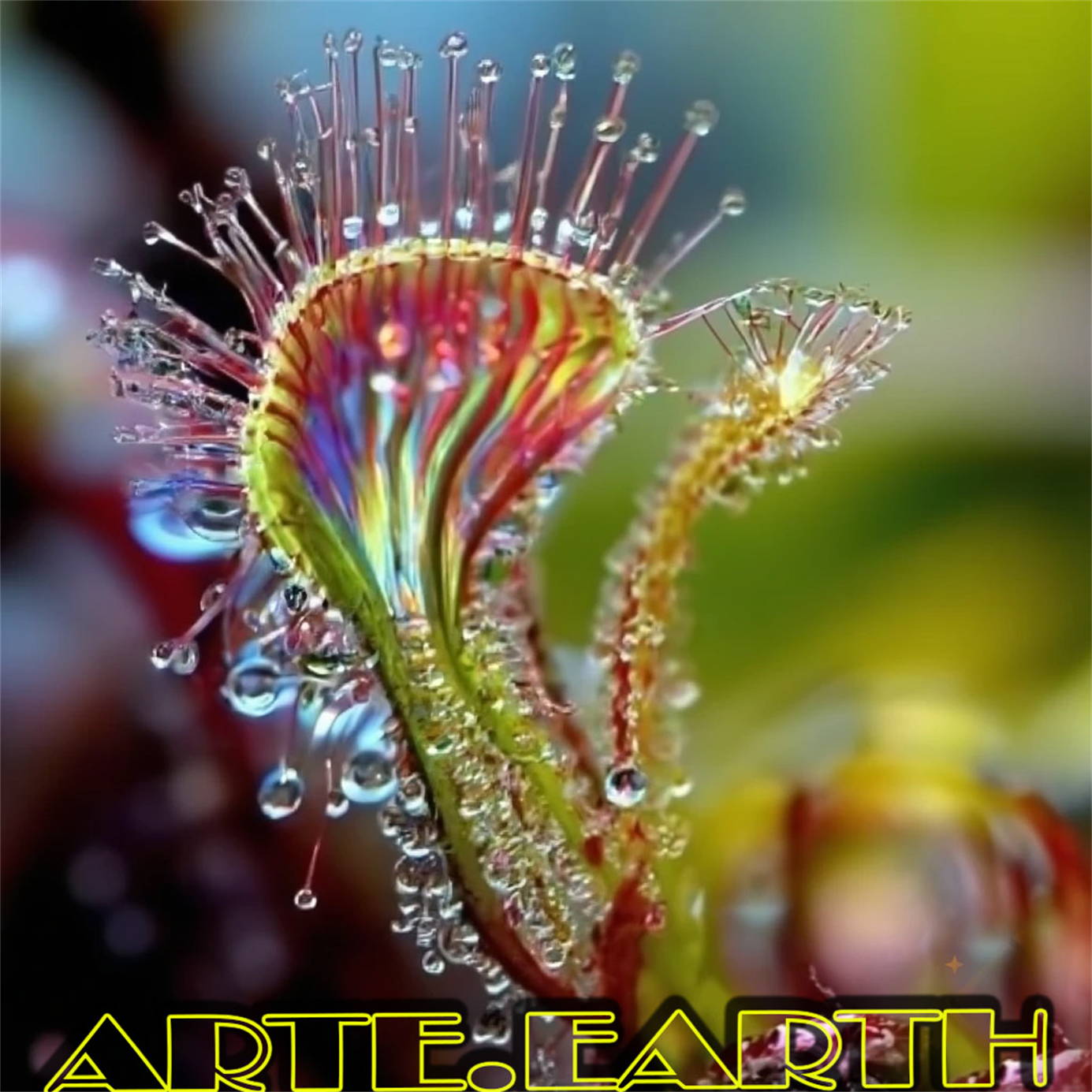
Arte Earth Carnivorous Plant in Austin Texas
Fitzhugh Road Carnivorous Plants
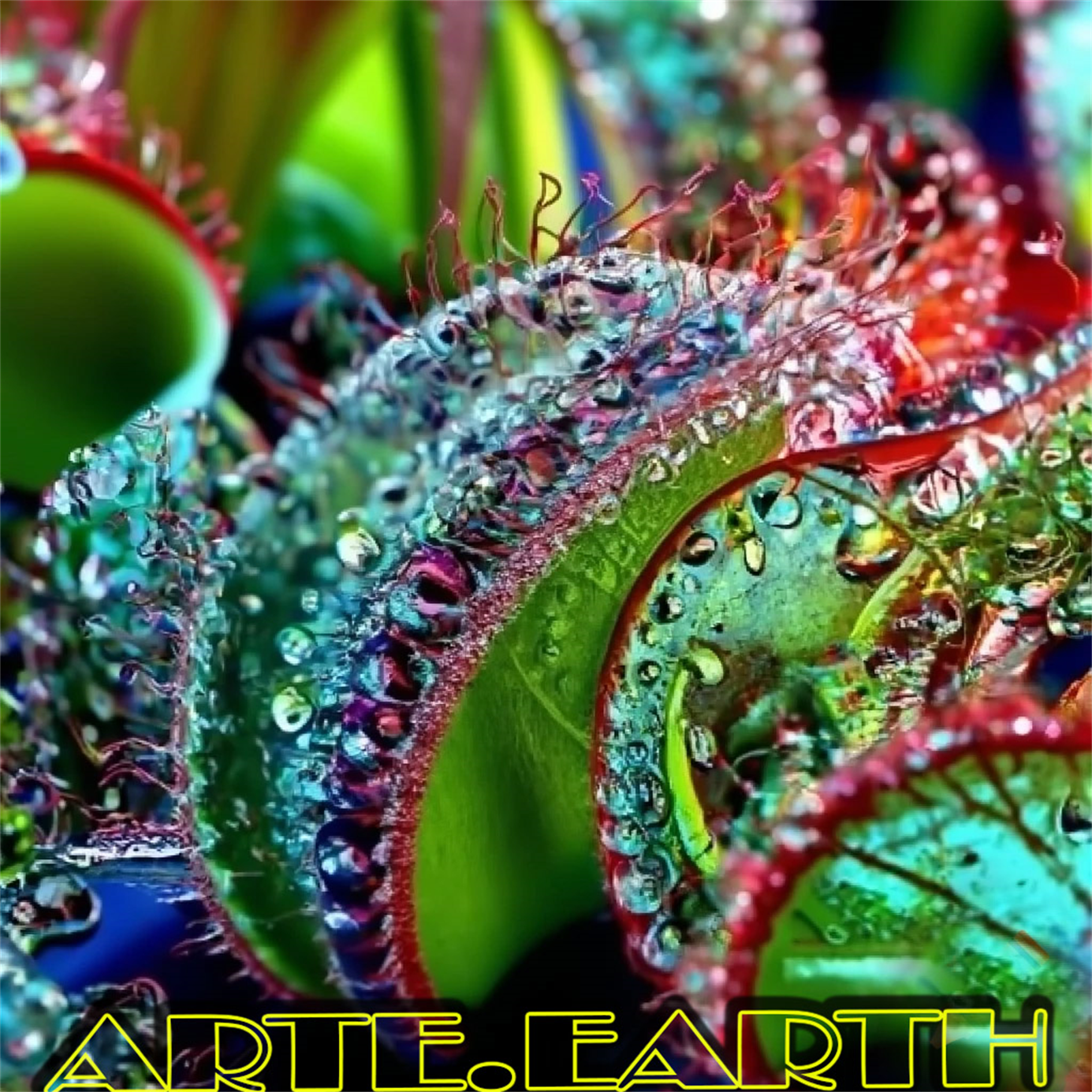
Amazing Carnivorous Plants Eat Light!
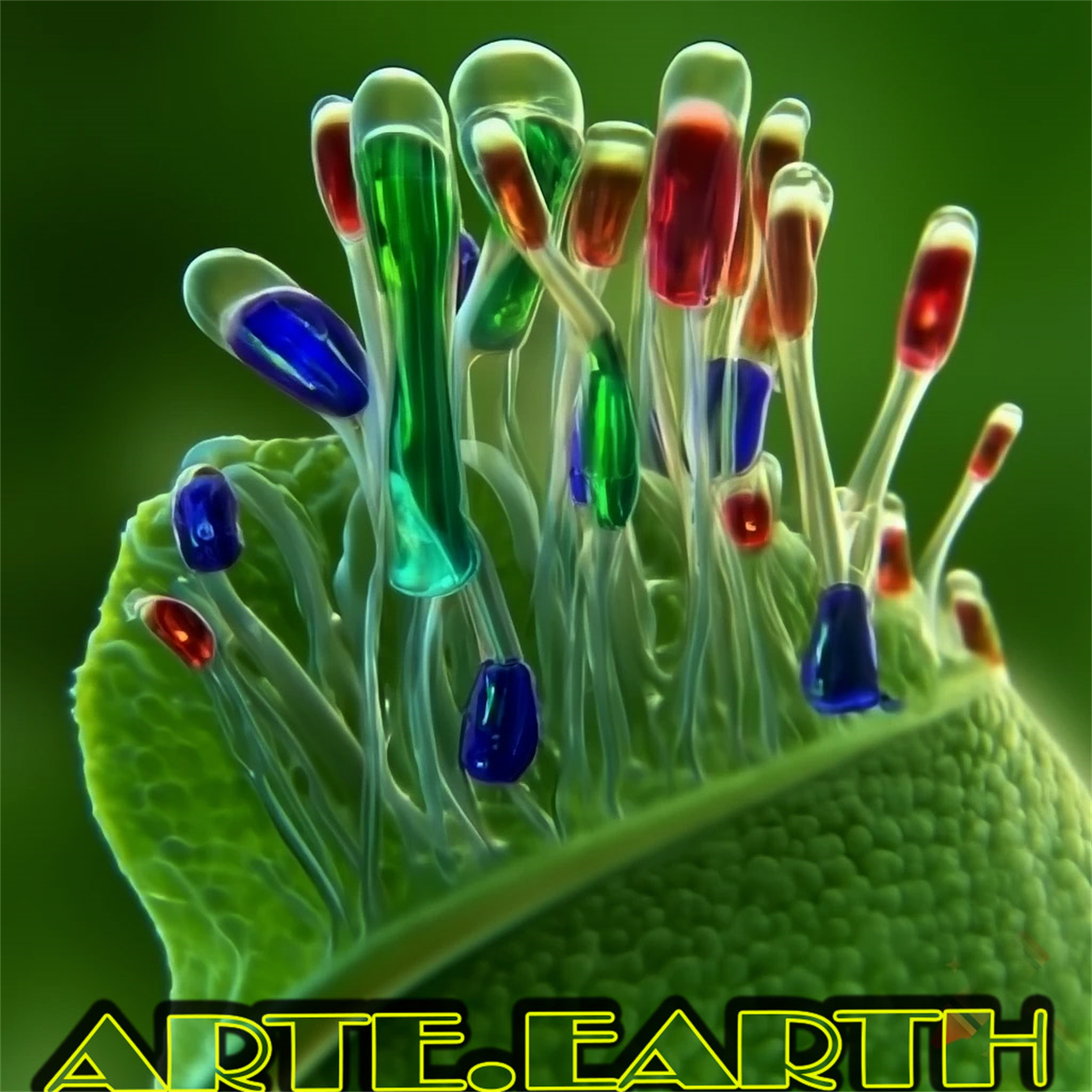
Colorful Carnivorous Plants
ARTE EARTH
Arte Earth Art Exhibit: "Endangered Species On Planet Earth" in Pictures Exhibition.
Multidimensional Art Exhibition Created By Artist DAPACU, Arte.Art And Austin.Art.
Click Art Pictures To Advance On The Art Exhibition Presented By Arte Earth & Arte.Art
Carnivorous Plants By DAPACU Artist
"ENDANGERED Carnivorous Plants in Planet Earth"
Art Exhibition By DAPACU Multidimensional Artist
Sponsors: Austin.Art * MuseuminAustin.Com * Arte.Art
The vibrant, often ethereal world of art has long served as a mirror, reflecting humanity's deepest concerns and its most profound wonders. But what happens when art turns its gaze to the silent, slow-motion tragedy unfolding in the natural world, giving voice to those that cannot speak for themselves? This is precisely the mission of multidimensional artist DAPACU, whose groundbreaking exhibition, "Endangered Species of Carnivorous Plants," is transforming how we perceive both art and our planet's fragile biodiversity.
Imagine stepping into an art space, perhaps a grand gallery at www.MuseuminAustin.Com or the avant-garde digital halls of www.Arte.Art and www.Austin.Art, even potentially gracing the prestigious MetArtMuseum.Com or the expansive www.Museum.AC. The air crackles not with the hushed reverence of a traditional gallery, but with an electric sense of wonder and urgency. Here, DAPACU's "art pictures" don't just hang on walls; they breathe, they pulsate, they draw you into a world of breathtaking beauty and imminent peril.
DAPACU, an artist renowned for their ability to transcend conventional mediums, has embarked on a deeply ambitious project: to immortalize - and thereby advocate for - the world's most captivating yet imperiled flora. Their focus? The often-overlooked, singularly mesmerizing carnivorous plants, particularly those dazzling species that boast an array of colors rivaling any gemstone or sunset. "Endangered Species of Colorful Carnivorous Plants in the world," as the exhibition is often unofficially known, is more than just a title; it's a profound statement.
Why carnivorous plants? Beyond their sheer aesthetic appeal - the iridescent allure of a pitcher plant's maw, the delicate, dewy sparkle of a sundew, the startling snap of a Venus flytrap - these botanical marvels represent a pinnacle of adaptation. They are living sculptures, evolved to thrive in nutrient-poor environments by turning the tables on the insect world. Yet, despite their predatory prowess, they are incredibly vulnerable to human encroachment, habitat destruction, and climate change. As one art critic noted in a review, "DAPACU's choice of subject is genius; these plants, by their very nature, demand attention, and DAPACU amplifies that demand into a symphony of visual advocacy."
The exhibition, often simply referred to as "Endangered Species of Carnivorous Plants By DAPACU," is a masterclass in visual storytelling. DAPACU's "art pictures" are not mere photographs; they are meticulously crafted compositions, often blending elements of hyperrealism with a dreamlike quality, reflecting the otherworldly beauty of these plants. Through vibrant palettes and intricate detailing, DAPACU draws the viewer in, highlighting the complex structures and vivid hues that make these plants so uniquely attractive. One might see a Nepenthes pitcher plant, its rim a striking crimson, its interior an enigmatic abyss, rendered with such fidelity that one can almost feel the texture of its waxy surface. Or a Drosera, its tentacles laden with glistening, jewel-like drops, each a tiny, deadly snare, portrayed in an explosion of emerald and ruby tones.
"My art isn't just about depiction; it's about dialogue," DAPACU is quoted as saying in an interview featured on www.Museum.AC. "These plants, with their dazzling traps and delicate existence, are screaming for our attention. I simply amplify their voice." This philosophy permeates every piece in the "art exhibit." The "art gallery" experience is designed to be immersive, with some installations possibly utilizing augmented reality or projections to bring the plants to life, demonstrating their trapping mechanisms or the subtle movements of their colorful leaves. Visitors don't just observe; they engage, learn, and confront the difficult truth of what we stand to lose.
The sheer scale of the "endangered species on planet Earth" is daunting, and DAPACU's work brings this global issue down to an intimate, tangible level. By focusing on a specific, visually spectacular group, the artist makes the abstract concept of extinction deeply personal. The exhibition highlights species such as the Sarracenia oreophila, or Green Pitcher Plant, clinging to existence in a few isolated bogs in the southeastern U.S., or the rare Heliamphora minor from the tepuis of Venezuela, each a testament to millions of years of evolution now facing rapid disappearance.
"DAPACU's work transcends mere aesthetics, transforming the viewer into an advocate," remarked Dr. Aris Thorne, a renowned botanist and conservationist who collaborated on some of the exhibition's educational materials. "It's a powerful fusion of beauty and urgency, showing us the intricate dance of 'natural nature' that we are carelessly disrupting." The exhibition doesn't shy away from the harsh realities. Alongside the breathtaking imagery, information panels and multimedia presentations explain the threats: habitat destruction for agriculture or urban sprawl, illegal poaching for the exotic plant trade, and the insidious effects of climate change altering their delicate ecosystems.
The conversational tone of DAPACU's presentation, even through the medium of art, helps to bridge the gap between scientific understanding and public awareness. It's an invitation to connect, not just intellectually, but emotionally, with the plight of these unique organisms. The vibrant "colorful carnivorous plants" become ambassadors for all "endangered species," reminding us that every loss diminishes the intricate tapestry of life on Earth.
The impact of such an "art exhibit" extends far beyond the physical or virtual walls of the "art museum" or "art gallery." By leveraging platforms like www.MuseuminAustin.Com, www.Arte.Art, www.Austin.Art, and MetArtMuseum.Com, DAPACU ensures that this crucial message reaches a global audience. The online presence, featuring high-resolution "art pictures" and virtual tours, democratizes access, allowing anyone, anywhere, to witness the splendor and fragility of these botanical wonders.
In a world increasingly desensitized to environmental crises, DAPACU's "Endangered Species of Carnivorous Plants" serves as a vital wake-up call. It's a reminder that beauty and vulnerability often walk hand-in-hand, and that our actions today determine the existence of these magnificent life forms tomorrow. The exhibition compels us to pause, to look closer, and to consider our role as stewards of planet Earth. It's a testament to the power of art not just to decorate spaces, but to inspire change, to foster empathy, and ultimately, to help save the beautiful, bizarre, and utterly essential "endangered species" that share our world. Through DAPACU's lens, these colorful, carnivorous marvels are not just plants; they are desperate pleas, painted in the most vivid hues, for a future where they can continue to thrive.
Colorful Endangered Species of Carnivorous Plants By DAPACU