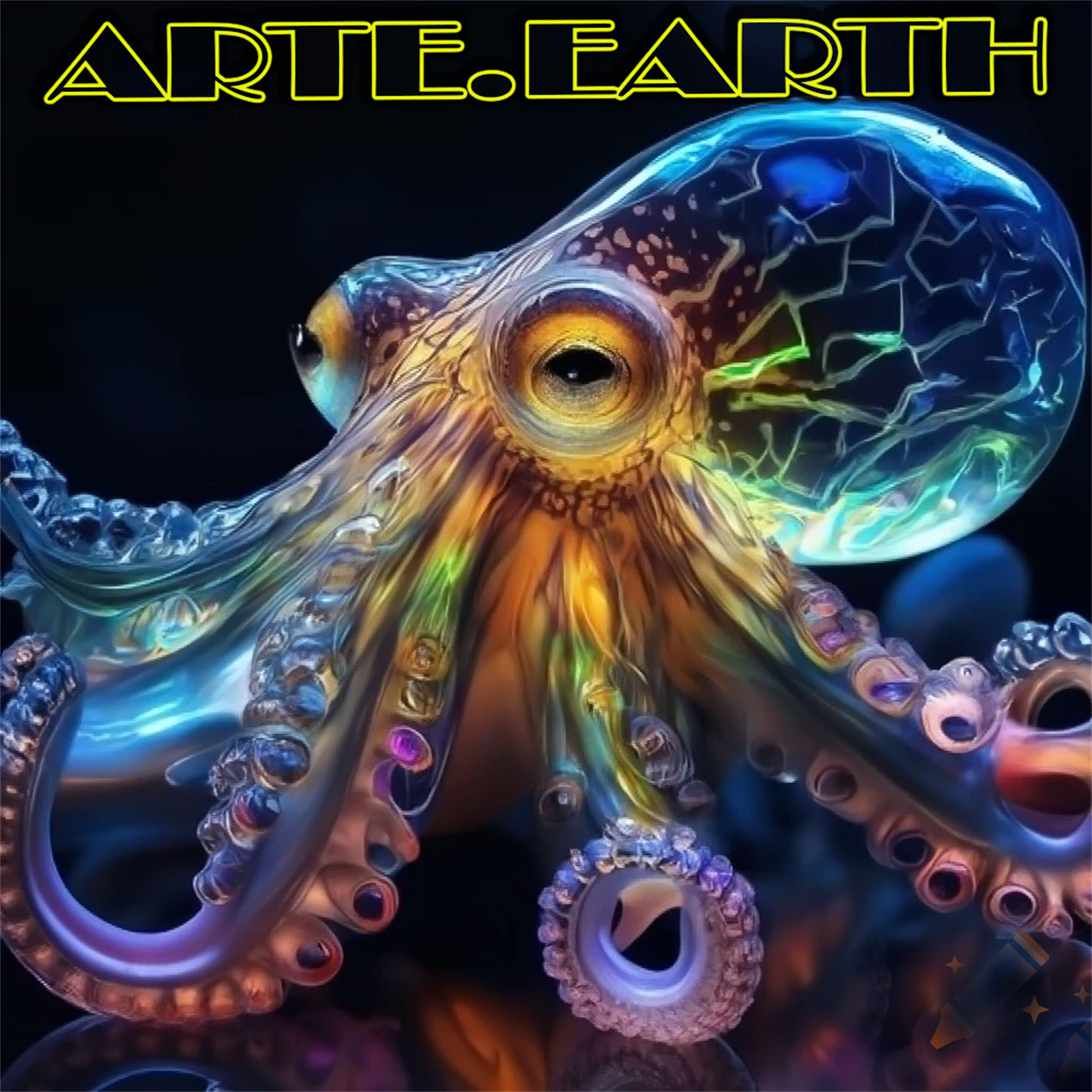
Cracked Brain Octopus
Endagered Species
Arte.Earth Art Exhibition
The Smartest Octopus on Earth
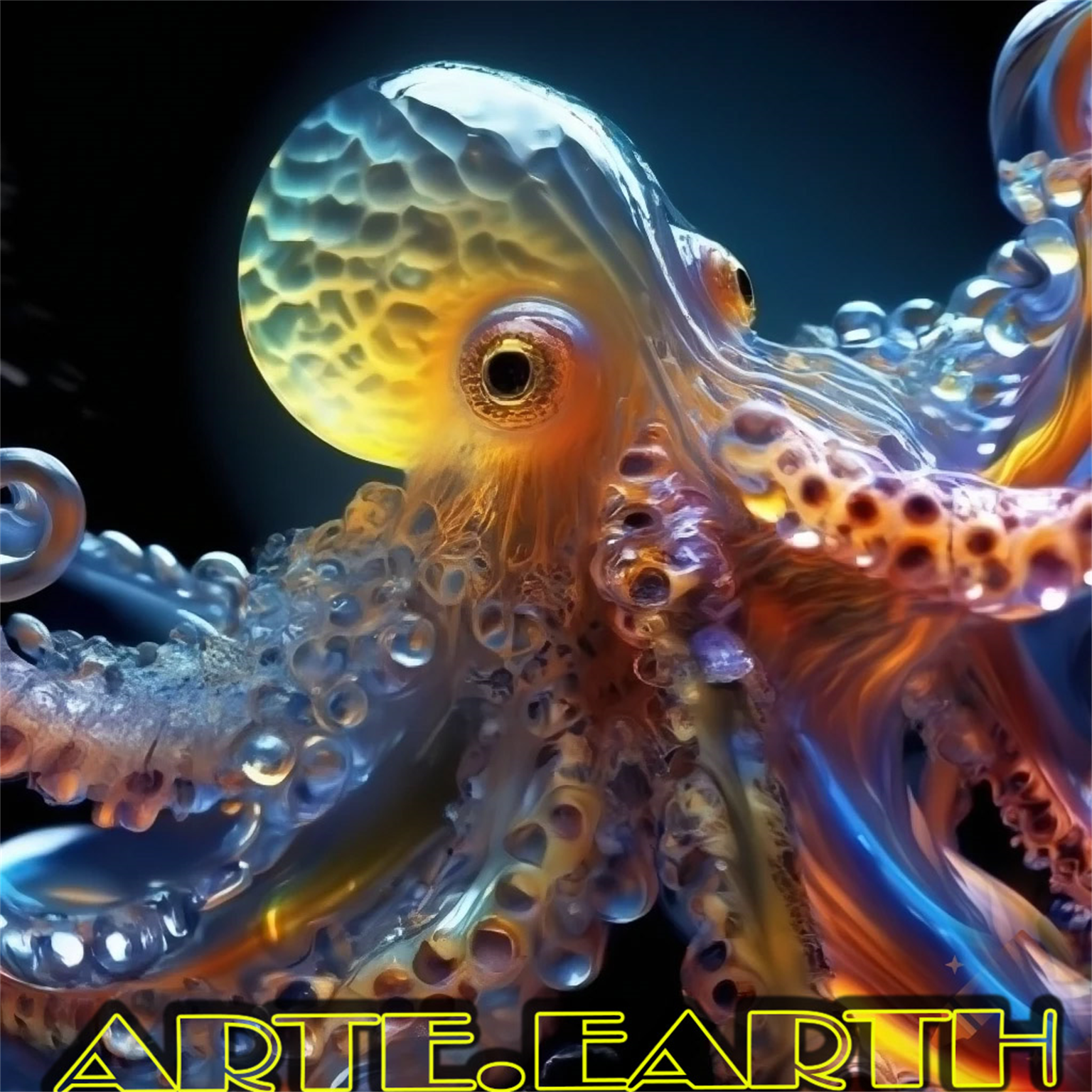
Endangered Octopus in Deep Ocean
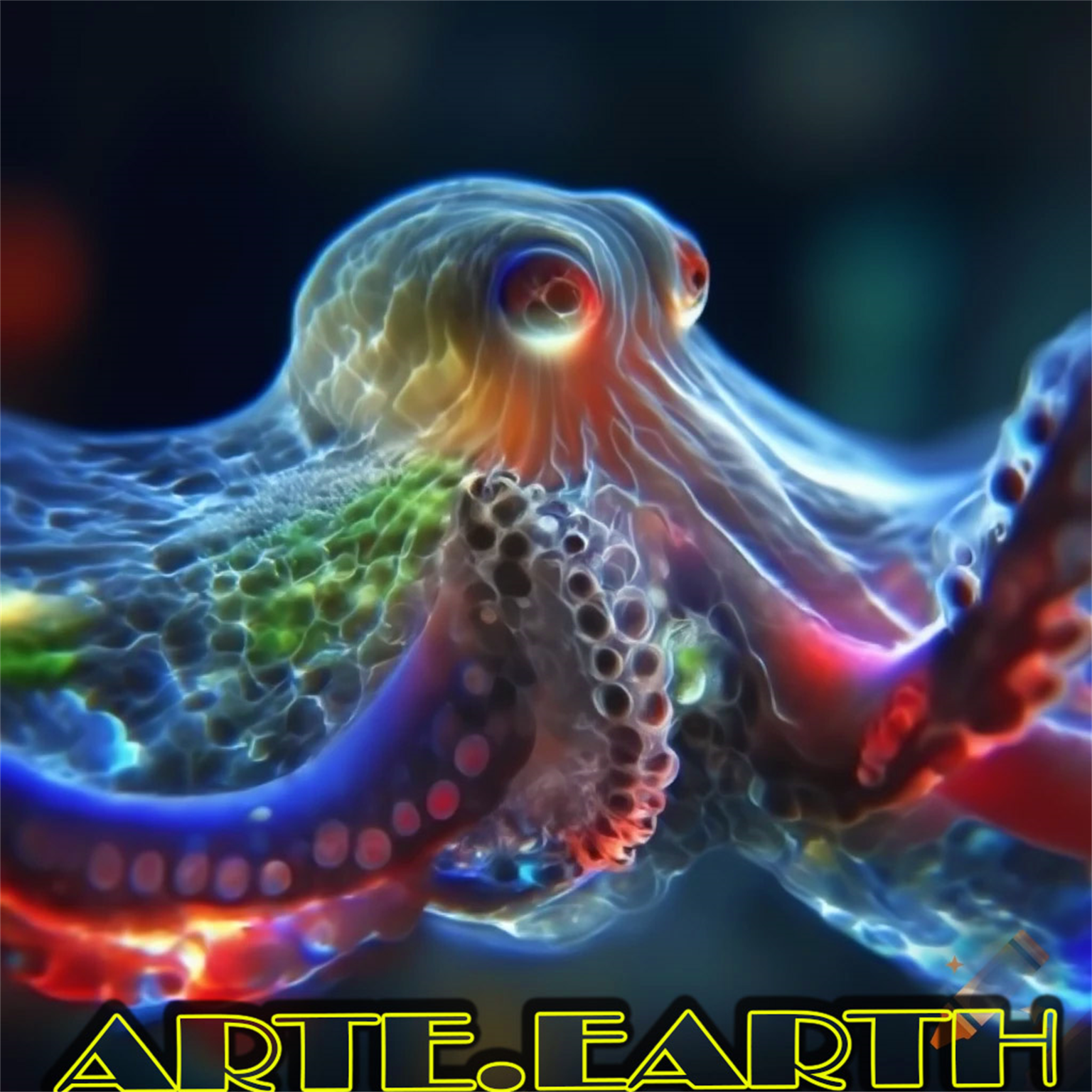
America Octopus in New York
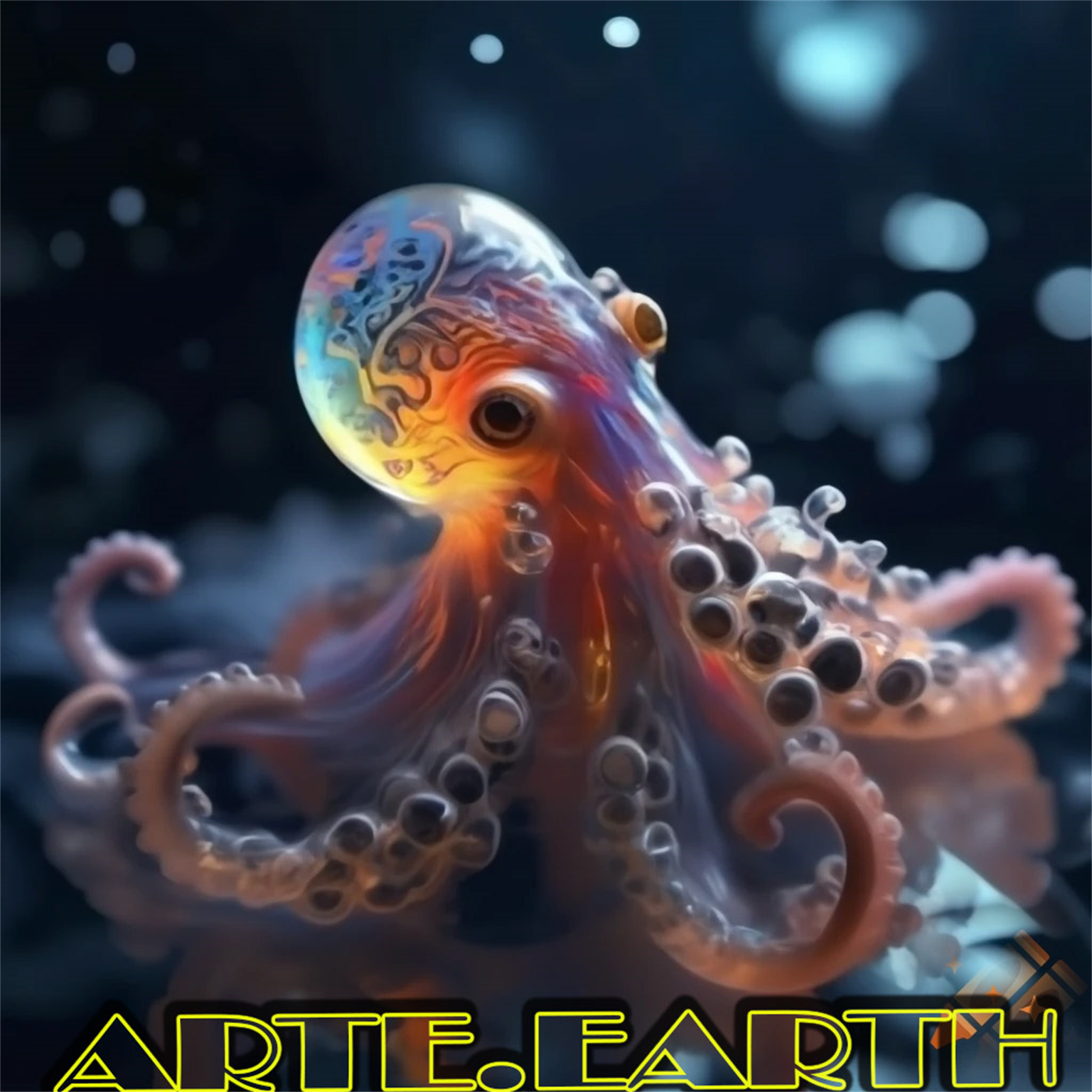
Brain Veins Octopus
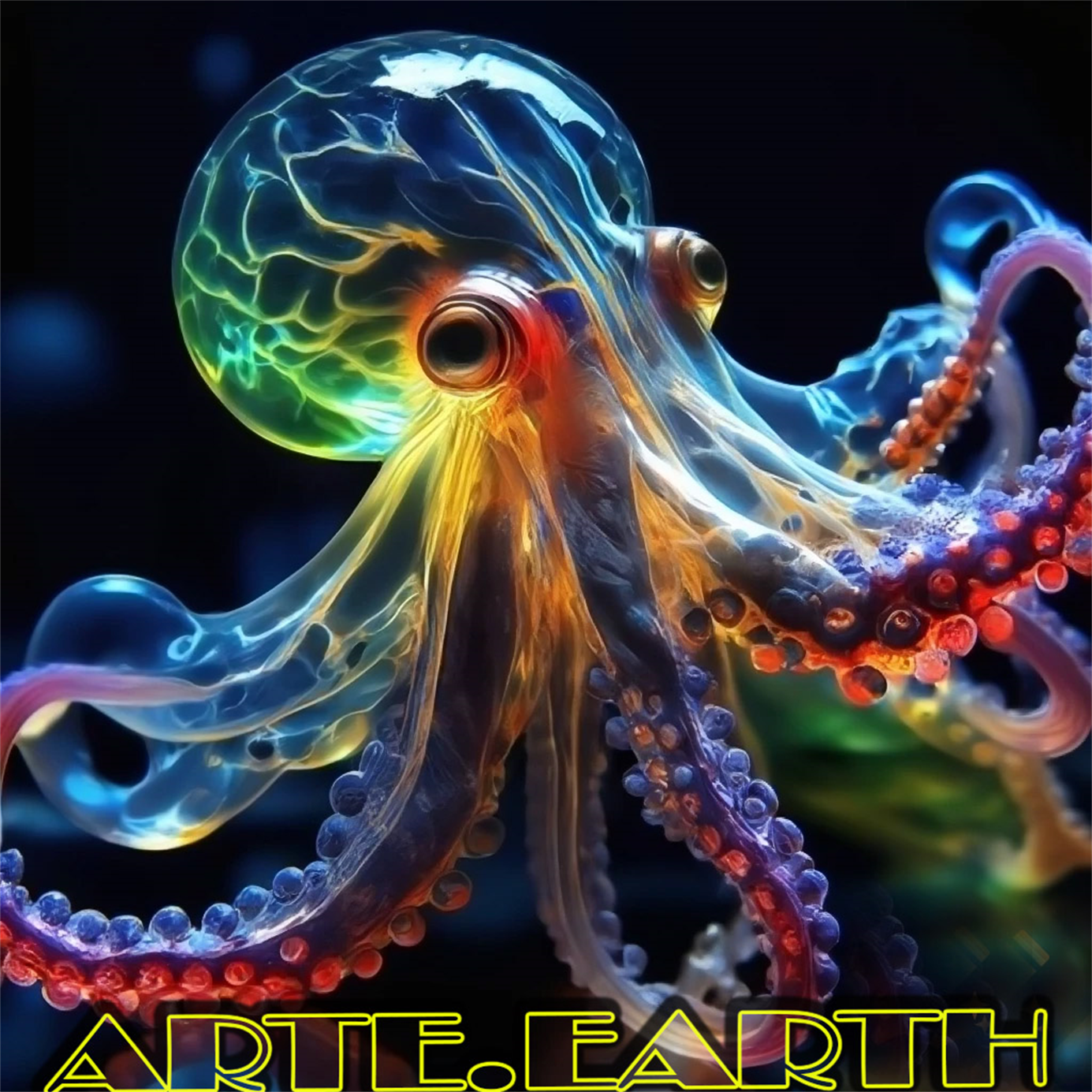
Colorful Craked Brain Octopus
Art Exhibition By Arte Arte
Art By DAPACU Artist
ARTE EARTH
Arte Earth Art Exhibit: "Endangered Species On Planet Earth" in Pictures Exhibition.
Multidimensional Art Exhibition Created By Artist DAPACU, Arte.Art And Austin.Art.
Click Art Pictures To Advance On The Art Exhibition Presented By Arte Earth & Arte.Art
ENDANGERED SPECIES ON PLANET EARTH BY DAPACU
"ENDANGERED Octopuses ON PLANET EARTH"
Art Exhibition By DAPACU Multidimensional Artist
Sponsors: Austin.Art * MuseuminAustin.Com * Arte.Art
The Hydro-Poetics of Survival: DAPACU's "Octopuses Consortium"
In the vast, shifting cathedral of the Atlantic Ocean, where depths hold secrets older than human language, there exists a fragile, silent royalty: the Sea Coast Atlantic Ocean octopuses. They are the quicksilver minds of the current, the architects of temporary shelters, and the living embodiment of fluid thought. Yet, the tide of human impact threatens to extinguish this ancient flicker. It is against this backdrop of existential urgency that the multidimensional artist DAPACU has unveiled an extraordinary artistic plea, an ethereal summons titled: "Octopuses Consortium."
This monumental undertaking is less a traditional art exhibit and more a hydro-poetic experience, a convergence of digital mastery and ecological conscience, showcased across the dynamic, interconnected platforms of www.Museum.AC, www.MuseuminAustin.Com, www.Arte.Art, and www.Austin.Art. DAPACU, utilizing the limitless canvas of the digital realm, compels the viewer to confront the imminent disappearance of some of Planet Earth's most intelligent, yet most vulnerable, endangered species.
The very title, "Octopuses Consortium," resonates with dual meaning. It speaks first of the octopus's own organizational mastery-their innate, solitary genius-but also suggests a necessary alliance, an urgent, silent treaty between the remaining cephalopods and the human collective responsible for their fate. The art pictures within this exhibit are not merely reproductions of nature; they are spectral reconstructions of memory and potential. They capture the octopus not as an animal, but as a conceptual being-a creature whose eight arms are eight vectors of intelligence, whose chromatophores are a living testament to instantaneous poetry.
DAPACU's work plunges the viewer into the oceanic abyss, utilizing luminescence and shadow to reveal the hidden architecture of the deep. The "Octopuses Consortiums" art pictures employ complex tessellations and fractal geometry, mirroring the intricate neurological pathways of these creatures. One perceives the fluidity of their movement transformed into fixed, yet pulsing, digital tapestries. The color palette shifts between the inky midnight of deep trenches and the shocking, brief flash of defensive scarlet, reminding us that the genius of the octopus is cloaked in vulnerability.
Echoes of the Natural Nature
The exhibit serves as a profound meditation on natural nature, that state of being untouched and essential, which humanity increasingly views through a separating pane of glass. DAPACU argues that to save the octopus is to save the concept of wild, unquantifiable wisdom. The artist uses the digital space-often criticized as artificial-to champion the organic. This paradox is central to the exhibit's power. By showing these magnificent creatures in a state of hyper-reality, the disconnect from their physical reality is jarringly emphasized.
The decision to host this significant Art exhibit across multiple virtual galleries and the specialized art museum space of Museum.AC, while anchoring it to the vibrant digital landscape of Austin (MuseuminAustin.Com), creates a limitless sphere of influence. This distributed viewing mirrors the octopus itself-nomadic, adaptable, and omnipresent in the collective imagination, even if vanishing from the census of life.
One prominent art critic, Dr. Elara Vance, reflecting on the profound impact of the work, remarked on the essential role of this medium:
"DAPACU has resurrected the ghost of the Atlantic octopus via the electricity of the screen. The Consortium is the ultimate call to arms, not through angry protest, but through sheer, overwhelming beauty. When you look at these portraits, you are looking into the quiet eye of Planet Earth itself, an eye which asks: 'How long until I too must camouflage myself completely, disappearing into the digital archives of what was?'"
The Multidimensionality of Loss
DAPACU, a multidimensional artist, transcends traditional boundaries, utilizing installation components that exist conceptually-light, sound, and interactive narrative-even when the primary display is a two-dimensional image. The experience is designed to simulate the disorientation of the deep, where silence is broken only by the crackle of forgotten communication.
The scale of the displayed images is intentionally vast, often mimicking the size of monumental murals, forcing the viewer to feel physically dwarfed by the intelligence and scope of the subject. A recurring motif features the octopus's suction cups, not merely as gripping tools, but as thousands of tiny sensory organs, perpetually sampling the environment. DAPACU renders these as constellations, suggesting that the octopus navigates by a biological map far more ancient and complex than any human instrument.
The Fragile Architecture of Intelligence
The tragedy inherent in the "Octopuses Consortium" lies in the fact that these creatures-capable of solving complex puzzles, mimicking camouflage perfectly, and even utilizing tools-are being systematically erased before we fully comprehend their lexicon of life. Their endangered species status is a blight on humanity's record of stewardship.
DAPACU's artistic voice is distinctly poetic, treating the conservation message with the reverence of an elegy. The artist seeks not shock, but deep, internal recognition. The pervasive blues and greens of the Atlantic gradually yield to unsettling, chromatic disruptions in the later pieces of the exhibit-a visual representation of ocean acidification and thermal stress. The creature's perfect camouflage begins to fail, the boundaries between the octopus and its environment dissolving not into graceful adaptation, but into agonizing blur.
Another critical voice, environmental philosopher Ronan Kael, commenting on the exhibition's reach across the art gallery spaces, emphasizes the burden of knowledge DAPACU places on the public:
"The intelligence of the octopus is a quiet mirror reflecting our own destructive hubris. DAPACU compels us into an uncomfortable introspection: If we lose the octopus, we do not merely lose a species; we lose a profound variation of consciousness. The 'Consortium' is a testament to the idea that nature's greatest works are not mountains or rivers, but the ephemeral machinery of life itself. To ignore this exhibit is to consciously allow a library of natural wisdom to flood."
The Legacy in the Current
As the digital currents flow across www.Arte.Art and www.Austin.Art, the "Octopuses Consortium" remains a haunting presence. It asks whether the future of the Sea Coast Atlantic Ocean octopuses will be confined solely to these magnificent art pictures, digital relics of a vibrancy that once pulsed along the coastal shelf.
DAPACU has not just documented the crisis; the artist has created a sacred space for the mourning and the mobilization. The exhibit transcends the typical limitations of art as decoration, elevating it to an existential necessity. It is a powerful reminder that endangered species on Planet Earth are not statistics but singular miracles of evolution, and their preservation requires a multidimensional response-one that is scientific, political, and, crucially, intensely poetic.
The final impression left by DAPACU's masterpiece is the quiet, insistent thrum of the deep. It is the understanding that the true power of the "Octopuses Consortiums" is not in their display, but in the echoes they leave behind, urging the viewer to step away from the screen and back toward the humbling, volatile reality of the churning, endangered Atlantic, before the liquid thinkers vanish entirely into the realm of digital memory.
Endangered Species: "Cracked Brain Octopus" By DAPACU